Snow Boots and Sustainability: A Farmer's Guide to Eco-Conscious Footwear
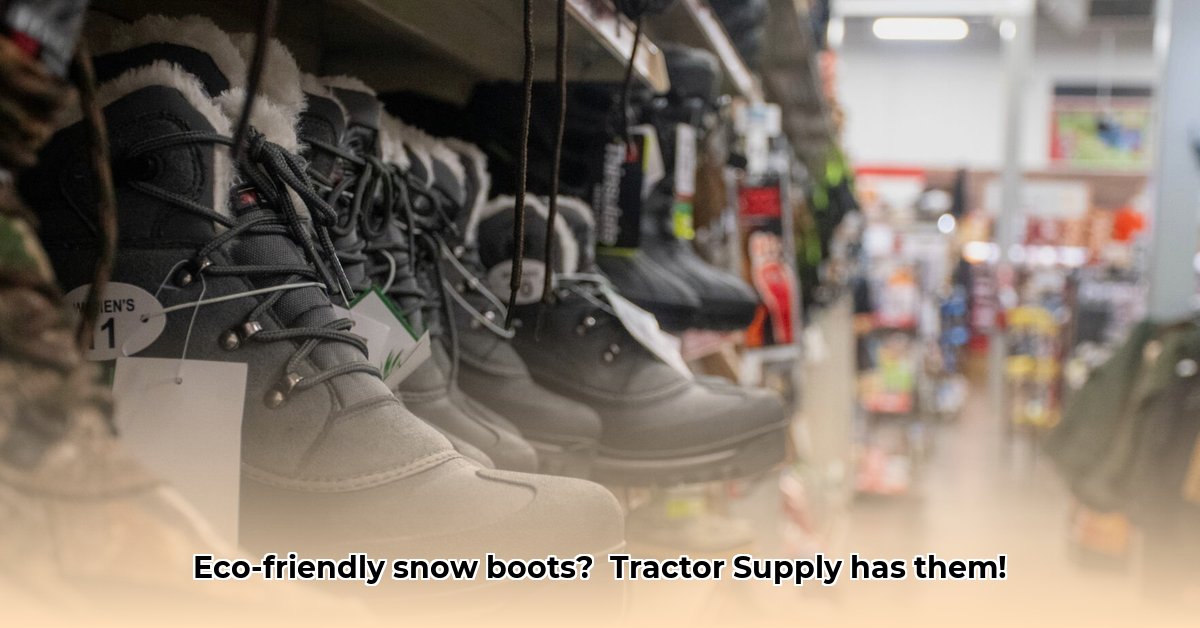
Working the land in winter demands durable, reliable snow boots. But the environmental impact of footwear often goes unnoticed. This article analyzes the sustainable snow boot market, focusing on Tractor Supply's offerings and the broader industry landscape. We examine the market demand for eco-friendly options, assess the environmental footprint of boot production, and provide actionable steps for a more sustainable future in agricultural footwear. For more information on Tractor Supply's boot selection, check out their men's boots.
Market Analysis: Demand, Competition, and Sustainability
The demand for robust winter boots among farmers is high, with Tractor Supply representing a significant retail channel. However, quantifiable data on the market size specifically for sustainable agricultural footwear remains limited. This presents a gap in market research and an opportunity for growth. More detailed studies are needed to fully assess the potential of this niche market.
Competitive Landscape: Tractor Supply's current offerings require further investigation to determine the extent of their sustainable features (e.g., materials used, manufacturing processes). A comparison with competitors needs granular data on pricing, performance metrics (durability, insulation, waterproofing), and publicized sustainability initiatives to fully understand the market landscape. The lack of readily available lifecycle assessment (LCA) data for various boots currently hinders in-depth comparison and analysis.
Sustainability Considerations: The environmental impact of snow boot production is significant. Conventional boots often involve resource-intensive materials (leather, synthetic rubbers) and energy-consuming manufacturing processes. LCAs comparing conventional boots with potential bio-based or recycled alternatives are crucial but scarce. This data gap necessitates further research to truly quantify the environmental benefits of different materials and manufacturing methods, including factors like carbon emissions, water usage, and waste generation.
Actionable Recommendations for a Greener Future
Addressing the sustainability challenges in agricultural footwear requires a multi-stakeholder approach. The following recommendations outline practical steps for various actors:
1. Manufacturers:
- Short-Term (0-1 year): Conduct comprehensive LCAs for existing and potential sustainable materials. Invest in R&D for bio-based alternatives and improved recycling methods. Improve transparency in supply chains and material sourcing.
- Long-Term (3-5 years): Design boots for recyclability or biodegradability. Develop closed-loop systems for material reuse and waste reduction. Explore partnerships with sustainable material suppliers and waste management solutions.
2. Retailers (e.g., Tractor Supply):
- Short-Term: Expand the range of sustainable snow boot options. Implement clear and transparent labeling, highlighting sustainability certifications and material composition.
- Long-Term: Collaborate with manufacturers committed to sustainable practices. Develop extended warranties and product take-back programs to encourage durability and responsible disposal or recycling.
3. Farmers:
- Short-Term: Advocate for increased availability of sustainable and durable boots. Prioritize high-quality, long-lasting footwear to minimize replacement frequency. Support retailers and manufacturers that demonstrate strong sustainability commitments.
- Long-Term: Demand transparency and verifiable sustainability claims from brands. Participate in feedback mechanisms to guide manufacturers' future product development..
4. Governments and NGOs:
- Short-Term: Fund research into sustainable materials and manufacturing processes for agricultural footwear. Support the development of industry standards and sustainability certifications.
- Long-Term: Develop policies and incentives that encourage the adoption of sustainable footwear practices. Promote public awareness campaigns to educate consumers about environmentally conscious choices.
Risk Assessment and Mitigation
Several significant risks are associated with adoption of sustainable agricultural footwear:
- Higher Costs: Sustainable materials may initially be more expensive, requiring government subsidies or consumer willingness to pay a premium to offset these costs.
- Performance Trade-offs: Sustainable materials might not initially match the durability or performance capabilities of traditional materials, requiring continued R&D.
- Lack of Consumer Awareness: Effective marketing campaigns are needed to educate consumers about the environmental and performance benefits of sustainable alternatives.
- Supply Chain Disruptions: Diversifying sustainable material sourcing and building robust supply chain partnerships can mitigate risks of disruptions.
Regulatory Landscape and Future Outlook
Future regulations regarding chemical use in footwear manufacturing necessitate proactive adaptation from producers. Government incentives for sustainable practices will likely increase in the coming years. Consumer pressure for transparency regarding product composition and environmental impact will rise significantly. The future success of the agricultural snow boot market hinges on the widespread adoption of sustainable practices, moving beyond merely warmth and durability to include considerations of responsible sourcing and minimal environmental impact.
Conclusion: A Call to Action for Sustainable Footwear
The demand for sustainable agricultural footwear is rising and presents opportunities for innovation and market growth. However, challenges remain regarding cost, performance, and consumer awareness. A collaborative effort involving manufacturers, retailers, farmers, and government agencies is crucial to drive the transition toward a more environmentally responsible and economically viable footwear industry. We encourage readers to support brands transparent in their commitment to sustainability and advocate for policies that incentivize eco-friendly practices in the manufacturing and sourcing of agricultural footwear. Choosing sustainable boots is not only an investment in your well-being but also a commitment to a more sustainable future for agriculture and the planet.